
47% of Gen Z Wants to Be Influencers: A Marketer’s Opinion.
In the evolving digital landscape, Generation Z's growing aspiration to become social media influencers is a phenomenon that cannot be overlooked. As a marketer, understanding and adapting to this shift is crucial not just for the success of marketing campaigns, but for the wellbeing of America’s youngest generation.
This trend, summarized by recent data from Morning Consult and published by Parenting Magazine, indicates that 57% of Gen Z would embrace influencer opportunities if presented, mirroring sentiments from 2019.
But how do we feel about that? Well, it’s a lot of mixed emotions to be honest. Let’s first take a look at their influence:
The gen z impact on hotels, travel, and food & beverage
Gen Z's influence on the modern hospitality and food & beverage business is significant. By 2027, Gen Z is expected to represent 50% of travelers, necessitating a shift from millennial-focused strategies to those tailored for Gen Z [Source] Here are some key statistics highlighting their impact:
Sustainability and Health Focus: Gen Z, comprising 18 to 24-year-olds, prioritizes sustainability, health, and wellness. They are more likely to adopt flexitarian eating habits, choosing vegan or vegetarian lifestyles and avoiding sugary or highly processed foods. This generation's focus on sustainable and healthy options has a notable impact on the food and beverage industry. [Source]
Convenience and Online Ordering: The economic uncertainty and lifestyle of Gen Z have made convenience a crucial factor. They are accustomed to online ordering and delivery services, preferring quick and easy meals that fit their busy schedules. This trend has led to the growth of ghost kitchens and online ordering for pickup at grocery stores. [Source]
Social Media Influence: Social media platforms like Instagram and TikTok play a significant role in how Gen Z discovers new dining experiences. They are likely to post about their dining experiences, making them valuable but challenging consumers for businesses to impress. This social media savvy generation drives trends and popularity in the food and beverage sector. [Source]
Review-Driven Decisions: 68% of Gen Z read multiple reviews before making a purchase, underlining the importance of managing guest feedback and online reputation. [Source]
Experiential Preference: 65% would prefer a dream vacation over buying a new car, showing a strong inclination towards experiential spending over material goods. [Source]
Increased Travel Intentions: 72% of Gen Z are planning or thinking about splurging on a significant getaway trip, with 51% planning international trips and 37% domestic vacations. [Source]

The Appeal of Influencer Careers to Gen Z
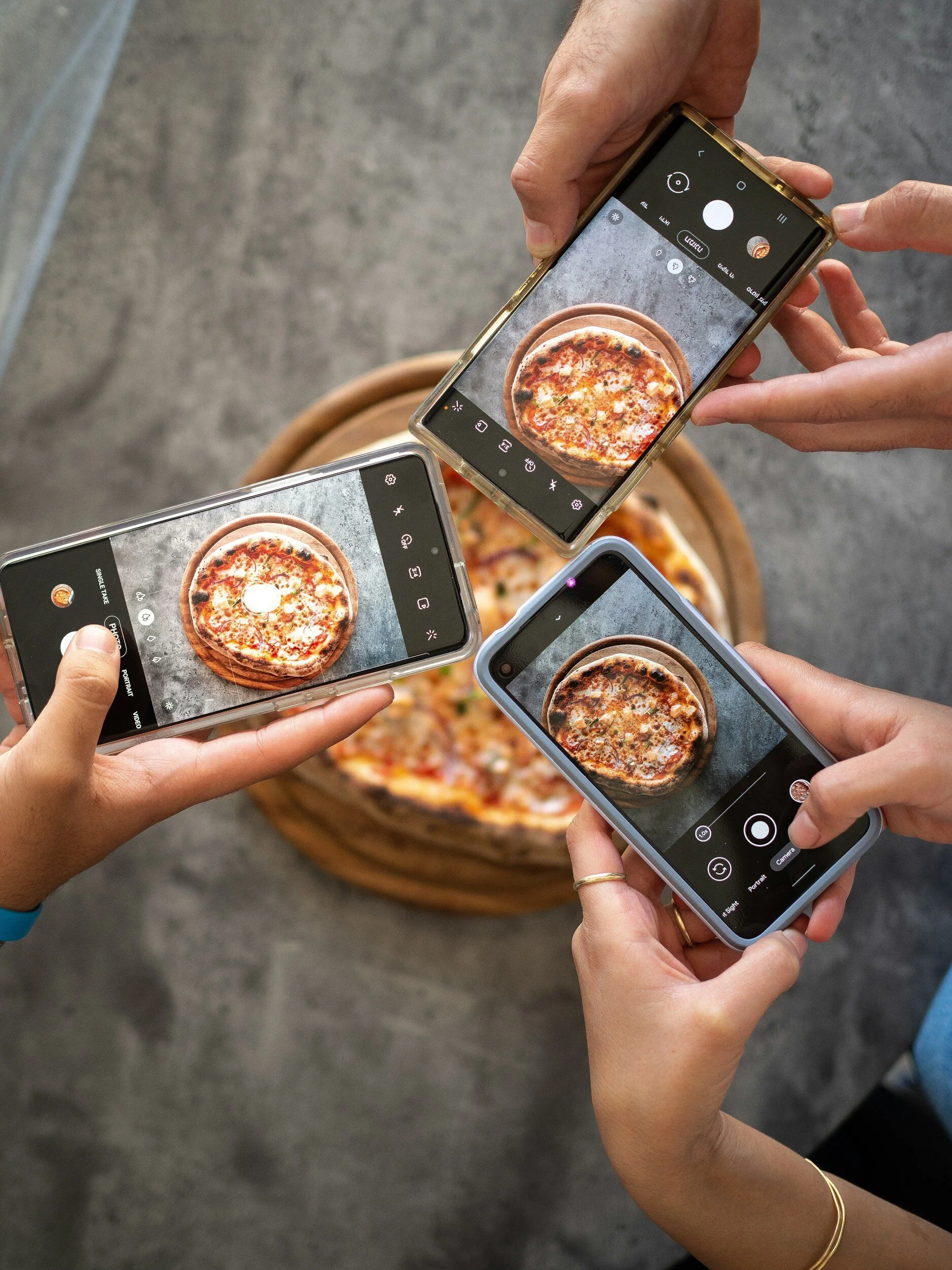
Technology has undeniably expanded career horizons, with social media influencing emerging as a prominent path. This preference among Gen Z for content creation and digital entrepreneurship reflects a deeper understanding of the power and reach of social media platforms. They recognize the potential for creativity, independence, and influence, which aligns well with the current marketing landscape that values authenticity and direct audience engagement.
The allure of influencing for Gen Z also stems from a perception of job security in an unpredictable job market. Historical layoffs in once-stable companies like Meta and Google have shown that traditional career paths aren't as secure as once thought. Gen Z sees self-employment and influencing as a way to take control of their careers. From a marketing perspective, this signals a shift towards a more entrepreneurial approach to career planning, where personal branding and digital savviness are key.
The opinion
The long short of it? Go for it, but do so with caution. The path of an influencer is not without its challenges. Reports indicate significant mental health concerns associated with social media use, such as the impact of platforms like Instagram on the well-being of young users. As marketers, it's crucial to recognize these challenges and foster a responsible approach to influencer partnerships. We must ensure that while leveraging the power of influencers, we also support their well-being and advocate for a balanced digital life.
As more and more content creators fill feeds, it’s going to be even harder to stand out and the life of an influencer, while often perceived as glamorous and lucrative, comes with its own set of trials. The constant need for content creation, dealing with public scrutiny, and navigating brand partnerships can be taxing. This necessitates a dialogue on the sustainability of such a career path, both from a financial and mental health perspective.
We also wanted another opinion, so we asked Camile Garcia, an incredibly talented marketer and Corporate Director of Marketing for Crescent Hotel Group. Camile says “
‘I want to be an influencer’ is the ‘I want to be a professional athlete’ of this generation and parents are ill-equipped to handle that due in large part to the fact that they themselves are the one’s being influenced. Three pivotal moments that have occurred in the last decade that has brought us here: when Amazon bought Twitch and the birth of NCAA NIL, both opening up large yet niche channels for kids to make money. However, my absolute favorite origin of the child influencer story is Unboxing with Ryan when Forbes reported a 6-year-old making millions of dollars by simply opening a new toy and describing the experience in real time. Urging all the influenced parents to ‘why not MY child?’ because seemingly influencing is something ORDINARY- RUN OF THE MILL human beings can do, right? Right?
For the first time, in the history of humans, we have 5 generations of people traveling but what is interesting is that experience purchases, like travel, are driven by the traveling parties and not necessarily the purchaser. What this means is that hospitality companies have moved into uncharted territory of marketing specifically to children. Lifestyle, high-end resorts have commercials with a child’s POV and main character story selling the experience, hard and soft-brand major chains are positioned against the affluent and well-traveled elementary aged student.
As an industry we should be prepared to open the door for child influencers, managed by parents, for luxury travel in the next two years.”
Conclusion: A Collaborative Approach
In conclusion, as digital marketers, we are at a juncture where understanding and integrating the aspirations of Gen Z into our strategies is vital. We must navigate the delicate balance between leveraging their digital native skills and ensuring the promotion of healthy, sustainable career choices in the influencer economy. By doing so, we can help shape a digital ecosystem that is both innovative and responsible.
It’s also our opinion that Influencer Marketing is here to stay. The nature of partnerships and brand deals will certainly change as the marketing landscape of the future changes, but as Gen Z grows in influence, their preference for authentic content (mostly created by their peers) will be crucial to campaign success.
